Reduce your shrink – are you following these 7 best practices?

45% of your shrink is thanks to your employees! *

While the amount and type of internal theft can vary greatly the fact is: if they think they can get away with it, they just might try. Knowing that 75% of all employees have stolen from their employer at one time or another is proof. So stop worrying about the shoplifters and arm yourself with the knowledge and practices to keep your staff motivated, honest and contributing to your bottom line – not hurting it. *

Here are the 7 BEST ways to deter your employees from stealing from you.

1. Policies and Procedures

Handling cash, having store keys and authorizing transactions though the POS system are privileges and responsibilities of your managers. Access to the back room, taking out the trash and a less than secure location are all tempting opportunities to sneak something out. Placing controls around who, when and how these situations should be handled and enforcing them help reduce employees’ opportunities for dishonesty as well as quickly flag if a loss has occurred.

2. Inventory Control / Cycle Counts

Half the battle is awareness. Conducting perpetual inventories and/or cycle counts ensures that your team is aware you’re tracking merchandise inventory and addressing any shortages routinely and quickly. This shows employees that the company has controls in place and losses will be identified in a timely fashion.

* National Retail Federation 2019 Security Survey​
* Forbes.com 2018

3. Camera Systems

Employees are less likely to steal if they know they’re being watched. Place cameras in critical areas that lend themselves to potential theft like cash registers, entrances/exits, stockrooms, cash handling areas. Having a system with remote video monitoring capabilities provides even more of a deterrent by providing visibility into stores on any given day / time.

4. Audit Program

With policies and procedures in place, as mentioned in #1, assessing your team’s compliance with them is critical. Regular audits of compliance to company policies will determine if training opportunities exist. Common areas to audit are operations, inventory control, physical security, cash compliance, and employee awareness. Audits can be conducted on-site or remotely through reviews of surveillance video.  With your teams knowing of and participating in these audits, you are creating an additional deterrent for internal theft.

5. Exception Based Reporting

Tracking transactions doesn’t have to be manual. Let a savvy system like an exception-based reporting tool scan your point of sale and quickly identify possible fraudulent transactions, such as excessive refunds, voids, cancels, deletes and other high-risk transactions. Exception-based reporting systems aren’t only able to identify potential internal theft but also provide a deterrent for employees that are tempted to steal in this manner.

6. Business Abuse / Employee Tip Line

Not all employees are dishonest.  Provide a confidential / anonymous way for employees to report suspicious behavior.  A business abuse line is typically available 24/7 and answered by trained operators.  When your employees feel comfortable having the means to be able to provide information regarding internal theft without feeling they are “telling” on someone they will be more likely to report possible internal theft.  Having a business abuse line that is easily accessible let’s all employees know that if they are doing something wrong it is likely someone will report it.

7. Training and Awareness

Provide employees with training and awareness on shrink and the various ways it occurs.  Educate them on the common day to day procedures that offer the most risk for theft and the policies and procedures in place to ensure theft does not happen.  Employees that are aware of internal theft and how to detect, prevent and report it will deter employees from attempting to steal. A good training and awareness program is an important if not the most important deterrent to internal theft.

While it may seem like common sense to train your employees, have security measures in place and enforce your policies and procedures — the reality is these are challenging to implement with limited resources and busy locations. Let the professionals and technology help, there are limitless tool and systems out there to make your stores smarter and support your existing teams with executing training, audits and more.

Which of the above have you not yet implemented or would you like to do better?

DTiQ with LPI services can help.

BOOK A DEMO

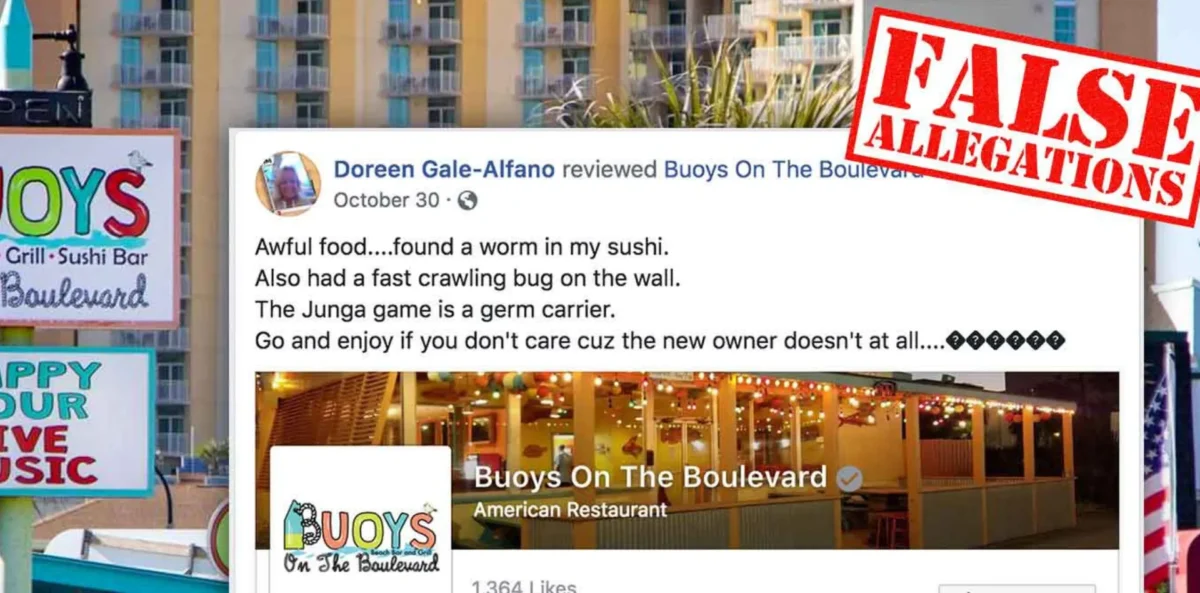
How one restaurant refuted false claims with video

One small restaurant sued a customer for false claims and defended their reputation on social media, all thanks to evidence from their surveillance system. A customer presented a coupon that was no longer valid. Despite the restaurant’s attempts to help compensate for the misunderstanding, the customer left unhappy. As happens often these days, an unhappy customer took to social media sharing a less than accurate experience …

Read the article

The customer is not always right and this restaurant was savvy enough and determined enough to fight it, as can every restaurant, if they have the right tools and the right mind-set.

Social media has replaced traditional ‘word of mouth’

Social media has replaced traditional ‘word of mouth’. With the desire to be ‘seen’ on social media and the ultimate success being the most views, comments and shares people are sharing everything on social from tall tales, to fake news to exaggerated experiences that play into the shock factor.

No establishment is safe from fake news

From fake fried rodents to insulting cups to discriminating marketing, brands like Kentucky Fried Chicken, McDonalds and Starbucks have also fallen prey to false and exaggerated claims on social media. No establishment is protected. While at first they could put a location or brand in a negative light its how these claims are handled that matters.

With your followers watching, be graceful under scrutiny

Fairness and irrefutable proof are the best tactics to handle these incidences. Maintain your credibility and show potential customers watching on social media that you care and are attentive with accurate facts and fair resolutions.

Restaurants need to be armed with savvy video surveillance tools so they can easily review incidents and provide evidence to the contrary. So put your video to work! An intelligent video system does more than just record what happens at your location. Triggered alerts for temperature and motion, remote auditing, app-based video access and more put managing and protecting your business literally in the palm of your hand.

In this day and age, the customer may not always be right. With customers using social media and brand awareness to cause a ruckus, restaurants need to be prepared to quickly respond, resolve and carry on.

Agree? Share this article!

Learn how DTiQ can help you

The 3 things our most active users do in 360iQ

We’re all searching for ways to be more productive, proven by the fact that ‘how-to’ is now one of the most popular google search terms.

We consulted our data to pinpoint the areas our users find help them the most. Read on for each area and a few tips on what to do while you’re there.

Review their Video

  • Spot-check underperforming location’s current or past activities
  • Review standards compliance at a glance across multiple locations like dining room cleanliness, front entrance displays or lingering in backrooms/offices
  • Check-in on lines and during peak hours

Read Over Transaction Reports

  • Follow up on the most suspicious transactions to find issues like misuse of discounts, gaming speed of service
  • Watch the corresponding video of any transaction to see what was happening
  • Save & share video snippets with managers & teams for quick follow-up

Check Out Live Sales

  • At a glance, know if sales at each location are up or down to the previous period
  • See which locations have suspicious activity right now
  • Track customer count at every location

We’re here to help!

Contact our success team for a consultation to ensure you’re getting the most out of your DTiQ services.

The 3 great things about using hardware as a service

Running a business is hard — getting the latest hardware infrastructure to help make your business run better shouldn’t have to be. With technology changing quickly and businesses constantly facing new challenges, subscribing to hardware is an easy, low-risk way to get the most up to date tools for your business.

Low Up Front Costs

Low Up Front Costs mean you can get the best hardware for less. And because you’re getting the best on a monthly program, there is less risk and a set, predictable monthly budget. When a location closes you can return the hardware or transfer it to another location.

Upgrades, Maintenance and Support

Upgrades, Maintenance and Support are always included, to be sure every piece of hardware in your haas subscription is up to date and functioning properly. And because your hardware package is usually linked to additional services most providers work with you to upgrade your hardware to ensure optimum performance.

Scalability

Scalability allows you to adjust hardware packages by location and easily upgrade, add to or edit your configuration across your locations. Want to add more 360° cameras? Want to add on a PVM at a high shrink location? Adding additional POS terminals and need an upgraded switch or server? HaaS gives you the ability to do all this and more.

DTiQ HaaS options include:

  • Audio Kits
  • Cameras
  • Power Supply
  • Servers
  • Switches

All for one low monthly payment.

Get started seeing real business savings fast, for about the price of your monthly internet bill!

3 essential components of a proactive loss prevention program

Loss prevention (aka. asset protection) initiatives are often reactive — identifying incidents when or after they occur. This “whack-a-mole” approach is most often taken by under-supported departments who believe that apprehension results will substantiate their existence and funding.

Ideally, however, the primary goal should be to prevent losses in the first place. The execution of such a sustainable, proactive loss prevention program requires three key elements to ensure its success: consistency, visibility, and innovation. When done well, the results directly impact the bottom line and are felt across the company.

What Is a Loss Prevention Program?

While some business owners debate loss prevention vs. asset protection, these two concepts are inherently the same. Loss prevention is a cohesive effort that helps reduce shrinkage and increase a business’s profitability. It’s commonly associated with fraud, false claims, and theft.

Custom solutions also remedy other problems affecting an establishment’s revenue. These issues include:

  • Administrative mistakes
  • Unnecessary waste/spoilage
  • Incident investigation and documentation
  • Supplier issues

A fully integrated loss prevention department may monitor other valuable indicators of how well your business is running overall and where it can improve. These may include the guest experience, speed of service, and employee engagement.

What Is the Goal of Loss Prevention?

While there may be some overlap, loss prevention goals are not universal. They can be tailored to meet industry- and establishment-specific objectives. The primary consideration is ensuring your loss prevention department’s mission aligns with your company’s needs.

Crafting a personalized loss prevention program that hits all your business’s pain points and increases accountability takes time, careful planning, and the full support of upper management and other team members.

Loss Prevention Examples

As our case studies illustrate, different strategies benefit companies in diverse ways. Here are a few examples of loss prevention issues and techniques by industry:

Convenience Stores

Some store owners hope to tie in video surveillance and point-of-sale transactions to remedy inconsistencies and monitor customer theft. For others, a loss prevention program helps ensure employees adhere to current brand policies and that the establishment is staffed efficiently across several locations.

Retail Stores

Retailers with hundreds of nationwide locations often find it difficult to gain insight into individual store activity. For these business owners, their primary focus may be to maintain shrink to acceptable industry levels — an issue that’s become a $100 billion problem. With a loss prevention strategy that’s standardized across the entire company and a way to monitor it, owners can ensure their action plan is effective and make timely adjustments.

Restaurants

Restaurant owners are often concerned about cash controls, food and beverage inventory, employee discount policies, and customer complaints. A loss prevention plan for this type of business may include annual audits that identify employee fraud and remedy everyday procedural issues.

What Does It Take To Sustain A “Profit-Improving” Loss Prevention Program?

A loss prevention program focused on improving profitability takes planning, proper development, and sometimes a new approach to execution. Sustainable, proactive loss prevention solutions focus on three key components:

1. Consistency

Like any other business function, the loss prevention department needs consistent strategies and programs that run throughout the fiscal year. These need to holistically approach shrink and support all locations and employees across the company.

  • Audits – Audit all locations multiple times a year to ensure compliance to policies, procedures and processes. Certain locations might receive additional audits as necessitated by loss numbers; however, all stores benefit from check-ins through the year.
  • Training and awareness – The loss prevention program needs to stay “top of mind” for employees with a steady cadence of relevant topical messaging.
  • Dealing with theft – Any hint of inconsistency in redress diminishes the culture of accountability, signaling others that dishonesty is sometimes acceptable. Stick to clear policies that send a strong message to employees.

2. Visibility

An effective loss prevention program is much more than policies, posters, and better customer service. Visibility and interaction between loss prevention personnel and store-based employees reinforce the idea that vigilant systems are in place to identify loss. This may include the following:

  • Store visits (in-person or remote video/reporting) – Audits, loss prevention visits or mystery shops reinforce the understanding that someone is always looking out for the store. Visits can be positive check-ins with training focused on the effects of loss (e.g., customer service, sales, loss programs, etc…).
  • Data analysis – Combined data from various systems (point of sale, inventory, etc…) can provide visibility into operations without requiring hours of in-store review. Exception-based reporting can provide insight into potential theft, margin erosion, training needs, and systemic issues.

3. Innovation

A proactive loss prevention program should be fluid, supporting the ever-evolving needs of the business even when with limited budgets and resources. To avoid becoming reactive, the loss prevention team must always innovate.

Innovation occurs when people are forced to think of new ways to tackle problems. Examples include:

  • Shared resources – Talk to other departments to identify resource-sharing opportunities.
  • Industry peers – Talk with industry peers to learn what tactics they have used to do more with less.
  • Expert partnerships – Find vendor partners with the expertise to provide resources and support to strengthen/supplement programs.

Partner with DTiQ for Agile Loss Prevention Solutions

Are you ready to craft a strategy that helps improve your bottom line? DTiQ provides premium loss prevention programs tailored to restaurants, retail stores, and C-stores’ unique needs. Our innovative system balances intelligent video, advanced analytics, and personalized customer support solutions to help you reach your loss prevention goals.

Subscription model pricing simplifies upgrades, ensuring your system will never become obsolete, and our downloadable mobile app allows you to manage your business from virtually anywhere. To learn more about our custom solutions, book a demo today.

Top tips for tackling holiday retail loss prevention and shrink

It’s no doubt store foot traffic is at its highest peak during the holiday season. And with increased rates of shoppers, inventory, and operational management, are you doing everything you can to implement a solid holiday retail loss prevention strategy?

This year, reports are saying the biggest concerns retailers are facing are theft and violence in stores. The National Retail Federation states that “more than 65% said they are concerned about mass violence or shootings, up from 58% in 2021.”

In 2022, external theft, including organized retail crime, caused an average 36% of total loss; employee theft 29%; and process, control failures and errors 27%, per the report. The rest was due to unknown reasons and “other.” – NRF National Retail Security Survey 2023

Key takeaways you will learn from this article:

  • Holiday season shopping trends and shrink rates
  • Top tips for preventing shrink in retail with effective loss prevention strategies
  • Noteworthy trends retailers are taking to reduce retail shrinkage during seasonal times of the year

Black Friday – shrinkage by the numbers

The most wonderful time of the year isn’t always so wonderful for business owners, inventory managers, and other stakeholders accountable for revenue-impacting goals, metrics, and reports.

It’s no doubt Black Friday is the leading day for increased retail shrink. NRF found that a record 196.7 million consumers shopped over the Thanksgiving holiday weekend last year, and a Newsweek study found that 67% of these consumers shopped at physical retailers.

Source: NRF’s 2022 Thanksgiving Weekend Consumer Survey, conducted by Prosper Insights & Analytics

This year, Loss Prevention Magazine predicts that 80.4% of sales will occur in physical stores. Despite the emergence of new online purchasing methods like e-commerce, mail-orders, and services such as buy online, and pick-up in-store (BOPIS) ––in response to the pandemic, shrinkage rates are on the rise due to new issues and areas of loss arising from these innovations.

December shoppers – completing Christmas lists

The National Retail Federation today forecast that holiday spending is expected to reach record levels during November and December and will grow between 3% and 4% over 2022 to between $957.3 billion and $966.6 billion.

During Q4, retailers are anticipated to encounter their highest sales volumes and, but simultaneously, their most challenging performances in terms of margin rates. Retailers are losing loads of profits due to heightened shrink and theft, stemming from internal factors such as employee theft and fraud, as well as external sources like shoplifting and organized retail crime.

What is retail shrink or ‘shrinkage’?

In 2022, retail businesses lost a whopping $112.1 billion due to shrinkage. That’s an average shrink rate of 1.6% of annual revenue, according to a study conducted by the 2023 National Retail Security Survey, an increase from 1.4% in FY 2021.

Retail shrink is the reduction in a business’s earnings or inventory, typically caused by factors such as wastage, theft, or discrepancies between recorded and actual stock levels.

Preventing shrinkage is critical to securing your business’s profitability, and loss prevention is the top strategy to help implement protection, insights and change at your establishment.

Top individual factors contributing to retail shrink:

  • Employee theft
  • Return fraud
  • Shoplifting
  • Operational loss
  • Vendor fraud

The top tips for reducing retail shrinkage and preventing loss

With the numbers above, you may be feeling slightly out-of-luck with your ideas for prevention retail shrinkage during the holiday season. DTiQ has the answers you’re looking for.

Technology to aid in preventing shrink for businesses is here, letting you take a modern and proactive approach to preventing shrink at your retail stores. Retail loss prevention software enables store owners to remotely monitor their business through their smartphones or computers. Not only do these intelligent video systems deter theft, but they also provide insights into employee and customer behavior, helping improve staff performance and enhance the customer experience.

But it gets even more innovative than that: more advanced providers — like DTiQ — can customize loss prevention insights with advanced analytics, artificial intelligence technology, and mobile app remote monitoring that work to help meet your business’s loss prevention goals.

Let’s look at the ways that a smart video surveillance and loss prevention provider can help in preventing shrink.

1. Intelligent video

Intelligent video solutions combined with real-time data with advanced analytics are tactics you need to take advantage of for heightened customer engagement and operational optimization. Insights like customer tracking, traffic analysis, speed of service enhancement, and more, can be monitored and addressed with action-oriented feedback in staffing, merchandising, coaching, inventory management, and service improvement.

Features like regular monitoring, remote incident archiving, and cloud-hosted business intelligence take your surveillance game to another level. Motion detection, off-site data storage, and mobile app access for on-the-go decision-making make DTiQ’s competitive edge unmatched.

[Book a demo to harness the power of intelligent video for your business.]

2. Audits

What is a SmartAudit™? A way to improve business performance; a tool that combines the expertise of our certified professional auditors with state-of-the-art video algorithms to deliver invaluable insight, ensuring that your locations maintain compliance and safety standards. Detailed POS transaction data allows you to identify key trends, incidents, compliance hiccups, shoplifter activity, safety hazards, instances of fraud, delivery orders, discount transactions, and much more.

3. Advanced analytics

Advanced analytics such as reporting, intelligent tracking, and seamless data integration are necessary to keep up to speed on your business’s run-of-show. With DTiQ exception reports, you can effortlessly identify and review suspicious transactions, receiving alerts that keep you in the loop when incidents occur by observing video and audio surveillance for easy verification. By integrating with your point of sale, you can review detailed timestamp data and video footage, ensuring you can match POS line items with cashier activity.

DTiQ’s 360iQ business intelligence platform is one of the most robust products on the market, combining video, live sales, alerts, and reports to paint a comprehensive picture of your entire business. You’ll receive detailed data and insights into your operation, receive event triggers, alerts and notifications, and real-time in-store analytics that identify potential instances of discount fraud, unauthorized voids, and other forms of financial loss.

With DTiQ’s managed services, you can trust our professional expertise to support your loss prevention efforts, providing you with more time and freedom to focus on running your business effectively.

Retail loss prevention

If running a business’s operations, store functions, and contributing to profit are part of your role’s responsibility, retail-specific loss prevention services are in your hands to reduce shrink in retail year-round: inventory management, improve employee performance, and ultimately enhance the customer experience. With advanced surveillance tools and in-depth analytics, LPI by DTiQ offers features like:

Bonuses:

  • Camera agnostic integrations: no new cameras needed! We’ll work with your current equipment.
  • Mobile app designed for feasible monitoring and management. Easily access data wherever you are.
  • 24/7/365 customer support.
  • Complete functions, customizable features, and supporting resources available.

Tips for preventing shrink in retail year-round

Unfortunately, shrink isn’t a once-a-year issue. Here are some tips for preventing shrink year-round.

  • Inventory control: utilize DTiQ’s cutting-edge tools for effective inventory control, ensuring the best resources are at your fingertips.
  • Regular audits and reviews: strengthen your defense against losses by implementing regular audits and reviews.
  • Regulatory compliance solutions: stay up to date on your establishment’s regulatory requirements.
  • Ongoing employee training: invest in continuous employee training to create a vigilant and informed team, enhancing overall security measures.

Brands preventing shrink in retail with DTiQ

DTiQ takes pride in its partnerships with brands committed to proactive loss prevention, embracing the “smarter store” concept to enhance their operations.

rue21

Rue21 reduced its shrink percentage by 28% in the first two years, lower than any of the five years prior to the partnership. Additionally, DTiQ supported rue21 with:

  • 3,632 conducted audits, marking a 100% increase from the previous LP team at rue21 who did not conduct audits.
  • 648 conducted investigations, marking a 28% increase despite the partnership starting in 2020.
  • 324 reported exceptions, resulting in at least 100 more EBR exceptions year-over-year.

Read more about how rue21 reduced their annual shrinkage rate with DTiQ.

What you can do to improve your business’s loss prevention strategy

Equipping your business with intelligent loss prevention solutions is the number one way to get lost profit back from areas you may not always have eyes on.

Even during the holidays, DTiQ is determined to help strengthen your loss prevention initiatives by automating monitoring processes, improving situational awareness, identifying anomalies, and offering valuable data-driven insights. These technologies empower businesses and organizations to mitigate security risks, minimize losses, and enhance overall safety and security.

See how DTiQ’s loss prevention solutions can help. You can contact us or book a demo to see our technology in action.

Operating c-store and fuel station restaurants: a comprehensive guide

For years, quick service restaurants (QSRs) and gas stations have been a staple of American culture. Along the way, QSR gas station combinations emerged, which led to convenience store (C-store) restaurants — which can now be found across the United States, from California to New York, and everywhere in between.

These gas station restaurants have a broad appeal, with families on road trips, professional truck drivers, and daily commuters all commonly partaking in convenience store grub when stopping at a gas pump.

With so much interest in convenience store restaurants, you have probably even thought about opening or operating your own. Whether you are preparing to open your first QSR gas station or are interested in scaling your franchise, the following guide will help you succeed at everything, from menu inventory to how to protect customers when they stop in to refuel.

From Fuel Stops to Food Stops: The Evolution of Gas Station Restaurants

In days gone by, filling stations served their single purpose. Customers would stop by, fill up the tank, maybe grab a drink or some jerky, and get back on the road. Today, though, 80% of all fuel purchases in the U.S. occur at stations that have convenience stores, and 44% of people who buy gas will enter the store.

As the food landscape changed, many gas stations began to see an opportunity — serving meals — that kicked off the rise of gas station restaurants and their eventual evolution into convenience store restaurants.

Early gas station restaurants offered a few easy, grab-and-go items like crunchy fried chicken, french fries, and tacos. Today, America’s C-store restaurants are more than just sandwich counters: Some of these establishments rival traditional eateries in terms of quality and offerings.

Some C-store restaurants have large dining rooms and full-service eating options. Other gas station restaurants favor a fast food approach, delivering simple options like deli-style sandwiches, hot dogs, and other traditional gas station meals.

The rise of gas station restaurants has also led to highly recognizable QSR and fast-food restaurant franchises attached to gas stations and C-stores.

Key Considerations: Menu and Inventory Management

Before you consider adding a restaurant option to your gas station or C-store there are some things you should consider.

Managing a C-store restaurant isn’t just about dishing out delicious meals; it’s about doing so efficiently. First, you have to determine what kind of food you are offering. Then, you’ll need to keep tabs on your inventory levels, spoilage, and expiration dates to avoid food waste are crucial aspects of the job.

Thanks to advances in technology, there are plenty of tools out there to help you monitor stock levels, track ingredients, and predict future demand. Adopting a few of these tools will help you maintain adequate stock levels and ensure your customers leave with a fresh plate of delicious food.

Serving Excellence: Customer Satisfaction in Gas Station Restaurants

By now, you’ve created the ideal menu for your gas station C-store restaurant. Now, it’s time to ensure that the quality of your service boosts your brand image and keeps customers coming back for more.

If you want to compete with national chains like Chevron, Shell, and Sunoco, you need to be mindful of the following factors:

Food Safety and Hygiene

No matter the kind of restaurant you launch, food safety and hygiene are paramount, and in C-store restaurants, their importance is amplified.

You must ensure that all food prep areas are clean and that the ingredients you use are stored correctly. Implement safety protocols and ensure your staff are properly trained on food safety. When possible, integrate tech solutions to assist with monitoring and compliance.

Speed of Service

Remember, many of your customers are on the move. They’ve stopped at your gas station restaurant to refuel and grab a quick bite, not a three-course meal, so your service needs to be just as swift.

Integrating digital solutions, like self-ordering kiosks and online order-ahead options, can help reduce wait times. Optimizing the speed of service will help improve your C-store restaurant profits and encourage customers to keep driving back for more.

Safeguarding Your Operation: Security for C-Store Restaurants

Turning your service station into a gas station restaurant will surely bring in more customers, but it can also make your business and its customers prime targets for criminals.

Numerous convenience store security risks could threaten your business continuity and endanger your customers, but the good news is that you can prevent most of them by investing in the following:

Surveillance Systems

Surveillance systems will help you keep an eye on your C-store restaurant. You can check in on your kitchen staff, cashiers, customers, parking lot, and gas pumps, all with a click of a button. It’s not about mistrusting your customers or employees, of course; it’s about ensuring their safety and the security of your business.

Strategically placed cameras not only deter potential criminals but also provide a recorded account of operations. From preventing theft to keeping tabs on inventory and staff behavior, a good surveillance system is a valuable asset to your business.

Access Control and Employee Safety

Every door in your C-store restaurant doesn’t need to be open to everyone. Limiting access to specific areas can be critical for both safety and operations. Think electronic locks and access cards — simple solutions that give only designated individuals access to certain parts of your establishment — they’ll not only safeguard your inventory but also ensure the safety of your employees.

Speaking of your team, their well-being should always be at the top of your priority list. Implement safety measures like safety zones or panic buttons that your team can use to protect themselves and call for help in the face of a genuine emergency.

You’ll also need to prioritize employee training. Educate your staff on the signs of suspicious behavior, like a vehicle lingering in the parking lot at odd hours or a shopper wandering through the aisles and avoiding eye contact, and encourage your team to adopt the “see something, say something” approach. If they notice something concerning, they should let someone know, just to be on the safe side.

Navigating Regulations and Compliance in Gas Station Restaurants

As you know, your gas station is subject to all sorts of regulations, and when you transform your gas station into a QSR restaurant, you open it up to dozens of new regulations and compliance requirements.

As you navigate the journey, being on top of legal and regulatory considerations is crucial. It’s not just about dishing out delicious food but also doing so in a manner that adheres to safety standards and industry regulations.

Whether it’s health inspections, licensing, or food handling standards, having a grasp on these requirements helps you keep your doors open without any hiccups. Compliance isn’t a chore; it’s a standard that keeps your customers safe.

A Glimpse Into the Future of Gas Station Restaurants

As for what’s next for C-store and gas station restaurants, based on current trends, there are some very exciting things going on in the world of QSR gas stations. Many of these changes will center around the adoption of new service technologies.

In the coming years, automation will likely make its way into the gas station restaurant ecosystem in forms like self-service counters to even robotic kitchen assistants that help you serve fresh food faster than ever. Digital menus, interactive ordering systems, and personalized customer experiences are not far off at all and are likely to emerge in the next several months.

Whether you are preparing to open your very first QSR gas station or have been serving food for a while, you’ll need to stay up on the latest trends. They aren’t just cool add-ons but true game-changers that can help you bring in new customers and extend your reach.

Ensure Your QSR Gas Station Thrives

Running a C-store or gas station restaurant is no easy feat. From ensuring that your menu features tasty offerings to maintaining top-notch safety and hygiene, you have a lot on your plate. However, with the right focus on security, compliance, and innovation, success is just around the corner.

If you’re not sure where to begin, choosing a partner like DTiQ to help with security and compliance is a great place to start. Our convenience store solutions serve as your eyes and ears so that you can keep your business, staff, and customers safe 24/7.

DTiQ offers more than just surveillance cameras, though: We also provide intelligent business solutions designed to deliver measurable savings and real-world business impacts. Book a demo to learn more.

Unlocking operational insights: how video surveillance enhances efficiency and performance

Finding new ways to unlock higher levels of efficiency and performance can be a full-time job for franchise owners and managers on its own.

Luckily, technology is evolving, letting business owners leverage data right from their cameras and POS to optimize their business performance, using actionable insights to improve efficiency and performance.

With tips from the DTiQ team, this article will arm you with the knowledge you need to make video surveillance a powerful tool in your efficiency and performance toolkit.

The Evolution of Video Surveillance

20 years ago, the extent of video surveillance for many businesses was old cameras hanging in a corner and a dusty “Cameras on Sight” sign. It never said if the camera actually was working, however.

And for years, the mere sight of a camera was enough of a deterrent. People would assume that the sight of cameras would strike fear in shoplifters and staff alike, giving them enough fear of being seen to keep their sticky fingers to themselves and keep off their phones at work.

Throughout my 20-year career in the QSR space, video surveillance has truly undergone a transformation. It has become an essential part of everyday life and operations for most operators. The ability to view videos and follow up on operations and incidents right on your mobile phone has definitely saved time and upped the convenience for operators.

Donna Brower, 20 Years Industry Experience, DTiQ CSM, Former McDonald’s Manager & Operator 

However, even the cameras that were working weren’t providing much of anything. The grainy, closed-circuit systems of the past would make it hard to see what was happening, let alone pull real-time analytics on efficiency and store performance.

In today’s digital age, advancements in technology have led to high-definition cameras, cloud-based storage, and real-time monitoring capabilities. These improvements have allowed businesses to leverage video data for more than just security purposes.

Key Areas to Enhance Efficiency and Performance

As video continues to evolve, so do the use cases for video surveillance, especially when it comes to efficiency and performance.

Some of the key ways that business owners can leverage evolved video surveillance systems to improve their business include:

  • Real-time monitoring
  • Employee productivity
  • Exception based reporting
  • Staffing allocation
  • More efficient (and objective) business-decision making
  • Automated security measures
  • Efficient resolution of issues on-site

Let’s take time to explore each of these areas — and tips that you can leverage to optimize each of these from the DTiQ team.

1. Real-Time Monitoring

Real-time monitoring may be one of the more “classic” ways one that assumes that video surveillance helps to ensure efficiency and a high level of performance.

Real-time monitoring is the idea that a user can log into the computer

However, you know the saying: there’s an app for that. And video surveillance is no exception.

As technology has evolved, so has access to real-time monitoring. Most video surveillance systems have a mobile app that business owners can go onto anytime, allowing them to see what the camera sees at any given time.

2. Employee Productivity

You know that your employees are on their best behavior when leadership is at the stores. But how do you confirm that same level of efficiency and performance when you aren’t there?

No doubt you know where this is going.

A video surveillance system serves as an objective tool to monitor employee performance and behavior. It also provides you with training opportunities, letting staff see where things didn’t go well. This helps you hold your team accountable for actions that they see taking place.

By fostering a culture of accountability, employees are more likely to stay focused and adhere to standard operating procedures.

3. Exception Based Reporting

Say goodbye to looking for a needle in a haystack — the needles are now being delivered right to you!

When you pair video surveillance with AI and reporting, you’re unlocking a whole new level of insights. This includes finding those “needles”, like suspicious transactions amongst the hundreds that are done each day.

Now having your managers review hours of footage to find suspicious theft is hardly an efficient way to work, which is why this part of video surveillance is such a key part of efficiency. Now the hours spent sifting through footage can be spent addressing those red flags.

Not only is it a better use of time, you’ll also likely see some savings on your bottom line. It’s less likely an offender who is using refunds for fraud is going to get the chance to do this numerous times when exception-based reporting is able to pull out a suspicious transaction the first time it happens. Don’t give your team the chance for things to go sideways.

4. Proper Staffing Allocation

Even if your staff aren’t on their phones, the wrong number of staff won’t allow even the most perfect of employees to be fully efficient.

With video surveillance, you can review your business needs and determine staffing from there. For example, if you regularly have an extra busy lunch rush on Thursday but you aren’t changing your staff numbers from the regular lunch rush, your team may be overwhelmed. This keeps them from being able to do their job efficiently, as they struggle to balance numerous responsibilities.

Using the data from your surveillance cameras helps you make the most of your team — bringing them in at just the right time.

5. More Efficient (and More Objective) Decisions

You face a lot of decisions when managing a business (especially as you expand across numerous locations). And as more opinions enter that decision-making process, as you hire, it can be harder to make decisions effectively and objectively.

Video surveillance, when combined with advanced analytics and artificial intelligence, empowers data-driven decision making. AI-powered video analytics can automatically detect patterns, anomalies, and trends that might not be evident to your team as they are working in the moment. This valuable information allows businesses to make data-backed decisions.

While your gut will always be a valuable check, having the data to make those decisions is always a valuable — and unbiased — opinion to consult.

Pro tip: You can have these business insights come straight to you with DTiQ’s SmartAudit™. This service is essentially completely customized to the decisions you want more insight on, as you work with the DTiQ team to customize your audits. From there, business overview is delivered right to your mobile application of each location’s performance without ever needing to leave your desk. Imagine how much more insightful your business decisions can be with these tailored actionable insights coming straight to your phone!

“The DTIQ team has been a great support to our Dunkin’ locations! We have caught several theft-related incidents from the SmartAudit™ services alerts and caught other loss prevention issues with the dashboards set up and the automatic weekly reports sent to us. The support team has been great and are quick to respond to anything we need with password resets, cameras not working, etc.”

Jennifer Copeland, Director of Operational Support

6. Automate Certain Security Measures

Staff would have to be leveraged as security measures in the past, especially at stores that carry higher-risk merchandise.

Think of convenience stores that have products like cigarettes, vapes, and alcohol just a grab away. In the past, areas like this would have to be monitored by staff. Having an employee that you are paying by the hour must hang out in one specific area to protect certain merchandise is hardly the most efficient use of those paid hours.

Cameras can take on those security measures. The proper camera placement becomes those security measures, capturing footage law enforcement can use in the case of theft, freeing up your team to use their time more efficiently, and serving as a deterrent to theft (especially when the cameras are in sight and very clearly on!).

Pro tip: Instead of using your staff as security, some people opt to hire external security. It’s worth noting that having security cameras that run at your store is also significantly cheaper than using physical security guards — and the cameras can provide a lot more insights beyond monitoring high-risk areas. 

7. Resolve Internal and External Disputes in a Timely Manner

He said, she said, and they said issues within your internal team and with customers can be a huge distraction, preventing your store from running at its most efficient. The tension from unresolved incidents will also have an impact on performance, naturally.

You know the saying when it comes to getting to the bottom of a story — there’s three sides. Your side, my side, and the truth. Luckily, having video surveillance makes it a lot easier to get to the truth of the story, and a whole lot faster.

Say a customer insists that an employee was rude to them at the drive-thru window. Before a video surveillance system that integrates with your drive-thru, this would be a case of hearing all parties out. Chatting with the staffer, hearing the customer’s side, and very likely just giving in to the customer’s story in an attempt to rectify them being upset. Now, you simply pull up the transaction and can both see and hear everything! No more apologizing for poor interactions that didn’t take place.

Or say two employees get into a verbal altercation over an incorrect meal, both blaming each other. If you know the time and date, a smart video surveillance provider makes it easy to search for the footage (or leverage their team to do the searching for you). Pull up the footage, review with the employees about what could go better next time, and the incident is resolved with the objective truth as the cornerstone of what happened.

8. Safety & Security

While safety and security isn’t necessarily a direct way video surveillance enhances efficiency, it’s an important callout nonetheless.

Time spent stressing over safety and security concerns that a camera can address is time wasted. Some areas of safety and security that can cause a lack of efficiency or performance include:

  • Collecting footage: Imagine, in the worst-case scenario, having a manager who is stealing from your location for a few months. Without an intelligent video surveillance system, you’re going to have to spend hours searching through footage — and hours is if you’re lucky. An efficient video system will have both programs in place and a team that make searching for the footage you need easy, therefore saving time and allowing an efficient process
  • Searching for incidents on camera: Slip and falls can be a huge issue for businesses, especially when you do everything right. Your team mopped as much as possible, the wet floor sign was out, but… you can’t find the footage. However, this can apply to any incident. Time spent on incidents that shouldn’t be a large issue when you have the video to prove otherwise are going to eat into your efficiency.

Unlock Efficiency and Performance Insights with Video Surveillance

As video surveillance continues to evolve, so will the use cases for businesses to harness it to optimize efficiency and performance — in fact, businesses ahead of the curve are already doing this. With video surveillance’s ability to provide real-time insights, optimize staffing use, and foster a data-driven culture, business owners can feel empowered with data backing the decisions they make.

With the right approach and an industry-defining provider, video surveillance can be a driving force behind businesses unlocking a higher level of efficiency and performance.

Book a demo or contact us today if you want to see how DTiQ’s video surveillance system can help you achieve your efficiency and performance goals.

The power of AI in video surveillance: revolutionizing loss prevention

It seems like you can’t escape the conversations around artificial intelligence (AI) or how it will continue to change technology — and AI in video surveillance is no exception.

AI and video surveillance are two things that are just better together. It’s like peanut butter and jelly. While you can have a peanut butter sandwich or a jelly sandwich, you can have both and it’s just a bit better.

That’s what pairing AI and video surveillance does. You can have video surveillance on its own, but adding the AI just makes it way better. And that way better can completely revolutionize your loss prevention efforts.

But what does that revolution look like? How do these two things really work together? We’ll go over:

  • How AI and video surveillance work together
  • How does AI and video surveillance impact loss prevention
  • Ways you can upgrade your video surveillance systems

How do AI and Video Surveillance Work Together?

One of the big “fears” around AI is that it can be so hard to understand. So, let’s break down how AI and video surveillance work together in a way that uses as little technical wording as possible.

Think of your standard video surveillance system as a security guard working in a busy convenience store. The guard has worked there for years, and things have been good. It’s up to them to spot any specific activity or theft, and then take the appropriate steps to stop it.

For the sake of analogy, imagine that this guard works 24/7. They’re never tired, they’re always doing laps of the store, and they are constantly on alert for anything that may go wrong.

However, they can’t be at every location at every second. And they definitely cannot be at numerous convenience stores at once.

Unless we were in a Superhero movie. Imagine this security guard was bitten by a radioactive spider (or grew up on another planet or bought a super suit — take your choice of hero origin story!). His superpower gives him the ability to take even more information at once. Their superpower can tell them if something is going wrong or when it’s likely to go wrong, without them having to look right at the scene. It works as an extra set of eyes, letting our now-Super Guard focus on moments that need them without worrying about missing anything.

While this may not be the next blockbuster smash hit, this is a great way to break down what AI is — a superpower that supercharges your video surveillance efforts.

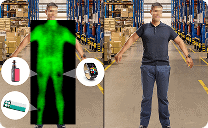
Instead of relying on a person taking hours of their day to review the footage from the security system, the AI analyzes the video feed using advanced algorithms. It can identify patterns, recognize objects and people, and detect suspicious behavior.

The AI acts as the brain of the surveillance system, quickly processing the visual data and making a record of potential risks. It can automatically detect unauthorized access to certain parts of your business, unsafe practices taking place (think leaving a cash drawer or back door open, or prepping food without washing hands or wearing gloves), monitor unusual movements, and raise alarms when necessary.

By leveraging AI, your video surveillance becomes super-charged.

How Does AI and Video Surveillance Impact Loss Prevention?

We’ve said it before in this article and we’ll say it again. The short answer is that pairing AI with video surveillance revolutionizes your loss prevention efforts.

Pairing AI and video surveillance empowers loss prevention efforts by providing advanced capabilities for monitoring, detecting, and preventing various security incidents.

But you’re looking for the long answer! So, let’s dive into the long answer — here are X ways that AI and video surveillance improve your loss prevention efforts.

1. Real-Time Monitoring

AI-powered video surveillance systems can continuously monitor areas of interest in your QSR, C-store, or retail stores in real-time. Real-time monitoring can be powerful in notifying people of situations that happen, when, and how to deal with them. This can look like receiving a notification to your personal device or a report at the end of a set time of what happened. This makes your information digestible!

2. Object Tracking

By using AI in your video surveillance, you can literally track where objects end up and have it flagged for you. This not only saves you hours on sifting through footage, but hundreds to thousands of dollars in lost merchandise.

Take the example below. Somebody enters a store and immediately gets up to some less-than-desirable behavior — especially when it comes to your loss prevention efforts. They take the shoes right off the rack and then go return them. This results in them receiving a giftcard worth hundreds of dollars.

Hundreds of dollars your store just lost from the bottom line.

However, your AI-powered video surveillance makes it easy to track this down, meaning you can void any gift cards and keep your cash in pocket.

Pro tip: When you partner with a service like DTiQ, the search for all of this will also have a human lens attached, meaning you just need to wait for the updates to come to your inbox. A lot of the time, theft will be flagged for you by DTiQ’s team of expert auditors before you even know it happened!

3. Alarms and Triggers

AI-powered video surveillance systems can generate real-time alerts or triggers when predefined events occur, such as unauthorized access to restricted areas, motion in prohibited zones, or specific behavior patterns. These alerts can be sent to security personnel or integrated with other security systems to facilitate immediate response.

4. Smart Monitoring of “Secure” Spaces

Areas like your cash offices and behind the register are at high risk of loss. Employee theft runs rampant, so you need to make sure these areas are being monitored by video surveillance. You can even have smart monitoring of shopper-facing secure spaces, or areas more prone to theft. This could be easily grabbable merchandise, like candy, or age-restricted merchandise you notice is going missing, like vapes or cigarettes.

By having AI-equipped video surveillance watch these “secure” areas, you can see if loss is taking place. If employees are caught, you can take swift and necessary action. If you’re catching a lot of theft taking place over certain merchandise areas, maybe you add a sign letting them know they’re on HD camera to minimize their behavior or move around merchandise.

5. Data Analytics and Insights

Video surveillance systems equipped with AI can analyze large volumes of video data and provide valuable insights for loss prevention strategies. This includes identifying high-risk areas, determining peak hours for incidents, or recognizing recurring patterns of theft or fraud. Such insights enable businesses to optimize security measures and allocate resources effectively.

6. Investigations:

Loss prevention isn’t always stopping people from taking cash out of the register. Preventing loss can also look like having the footage required to prove due diligence in the case of an accident or injury, or proving employees who were injured weren’t necessarily following safety protocol.

By having AI-powered video surveillance in place, you can prove with ease that the injuries sustained weren’t due to negligence on your fault — meaning you won’t lose tens of thousands of dollars (or more) on injury payouts.

It’s near impossible to make informed decisions about how to entirely handle your loss prevention efforts if you don’t have eyes on the store and somebody sorting through what those eyes see. The cameras record what’s happening, but AI pulls out the insights you might not have time to watch for.

Understanding More from Experts: AI and Video Surveillance

It’s time to unlock your loss prevention superpower by leveraging AI and video surveillance in your standard practice.

Overall, AI and video surveillance empower loss prevention efforts by automating monitoring processes, enhancing situational awareness, detecting anomalies, and providing valuable data-driven insights. These technologies enable businesses and organizations to mitigate security risks, reduce losses, and improve overall safety and security.

See how DTiQ’s advanced video surveillance, powered by AI, can help. You can contact us or book a demo to see our technology in action.

Convenience store customer engagement trends — a comprehensive guide

If you manage a convenience store and have growth on your mind, you need to prioritize one thing above all else: customer engagement. Maximizing convenience store customer engagement is key to scaling your business, avoiding churn, and optimizing revenue.

The question is, how do you create a C-store customer experience that keeps patrons coming back? There is no single answer. To thrive in the c-store space, you must master convenience store marketing, engage with customers using advanced tech, and provide a frictionless in-store experience.

Our convenience store customer engagement guide features actionable insights about the latest trends that you can use to boost customer loyalty, bolster your bottom line, and stand out from the competition.

The Significance of Customer Engagement in Convenience Stores

Convenience store customer engagement is how you create relationships with your customer base. Maximizing engagement is an ongoing process that involves:

  • Gathering customer feedback
  • Altering your service model
  • Offering incentives to encourage repeat business
  • Being responsive to the needs of your patrons

Convenience businesses that excel at meeting customer needs enjoy high engagement, more conversions, and better profitability.

Conversely, convenience retailers that fail to prioritize customer engagement will struggle to acquire new customers. Consequently, they will experience fewer store visits than their consumer-centric counterparts.

Let’s consider a real-world example. On average, gas station c- stores receive 300 visitors per day. However, only 35% of those customers actually go inside the store and make a purchase. The rest simply pump gas and get back on the road.

In our scenario, suppose that you use a mix of marketing strategies, new products, and mobile device ordering services to increase that figure to 45% (135 people per day). These additions translate to an additional 600 customers per month.

Leveraging Technology for Enhanced Engagement

Technology holds the key to cultivating a better c-store customer experience. Integrating modern technologies into your convenience store marketing, audience retargeting, and in-store checkout processes will significantly increase engagement and help you generate more revenue.

Over the past decade, convenience stores across the country have been gradually investing in digital transformation. However, the pandemic sent this process into overdrive, leading to the adoption of new strategies like online ordering and curbside delivery. By adopting these tactics, convenience stores weathered the pandemic and continued to provide customers with a frictionless experience.

By following suit, you can compete with top c-stores like 7-Eleven and Circle K and better serve your customer base.

Mobile Apps and Loyalty Programs

According to Statista, a staggering 81% of convenience store patrons spend four minutes or less shopping in c-stores. Roughly one-third of customers spend two minutes or less shopping. This means you have only a few minutes to engage with customers and make a lasting impression — unless you have a mobile app and loyalty program, that is.

Launching a loyalty program and managing it through a mobile app allows you to stay engaged with customers long after they have left your store. By periodically running deals and targeting patrons with custom offers, you can encourage them to purchase more frequently. If you play your cards right, they will spend more during each transaction, too, which is great for your bottom line.

Contactless Payments and Self-Serve Kiosks

Keeping up with customer needs will help you improve engagement and loyalty. One important trend is the increased demand for contactless payments. CNBC found that over half of Americans regularly use digital wallets and contactless payment tools. If you don’t already accept contactless payment, it’s time to start.

Installing self-service kiosks is another great way to limit profit tanking and circumvent staffing issues. Doing so allows you to streamline the checkout experience and remove obstacles from the purchasing process.

Convenience Store Delivery Technology

Sometimes, customers want to purchase something from your store but don’t want to leave the house. Integrating delivery technology into your business model makes your products more accessible and helps you reach a wider audience. This tactic can also assist you in acquiring new customers, especially if your nearby competitors don’t offer any delivery services.

On-Demand Delivery Services

Partnering with popular delivery service providers like Uber and DoorDash is one of the easiest ways to start offering deliveries. This approach places very little burden on your staff but can lead to a huge increase in order volume and frequency.

You can also turn your c-store into an e-commerce delivery pick-up location by partnering with Amazon. When customers stop in to pick up their Amazon package from your store, they will probably pop in and make a purchase, too.

Food Service in Convenience Stores

For years, convenience store food services were limited to hot dogs and boiled peanuts. Today, customers expect more from the local c-store.

Offering a wider range of high-quality food options can help you attract new customers and expand your audience. While it is important not to overstretch your staff, you should integrate several hot food items into your menu.

Fresh and Healthy Choices

When reevaluating your food services, make sure to accommodate the health-conscious crowd. There are lots of busy commuters out there who want to eat fresh, healthy food while on the go.

It is important not to try to please everyone. Stocking too many niche food items can lead to inventory management nightmares. With that in mind, gather data about customer needs and select healthy options that will appeal to as many people as possible.

Convenience Store Self-Checkout Procedure and Security

Self-checkout kiosks enhance convenience and customer engagement. Consumers seem to have gotten on board, with 85% of shoppers having used self-checkout machines.

However, it is important that you remain security-minded when implementing your self-checkout procedures. Otherwise, you will experience a spike in theft.

Ensuring Self-Checkout Security

Digital security solutions are the easiest way to ensure self-checkout security. Installing high-quality cameras and monitors in the self-checkout area will deter any would-be thieves. And if theft does occur, your camera system will help you identify the culprit and prevent it from recurring.

Self-Service Kiosks and Checkout Options

When implementing new technologies into your checkout process, make sure to give your customers a few options. Some solutions to consider include:

Self-Service Kiosks

Self-service kiosks are one of the most popular checkout solutions. They expedite the checkout process and allow your customers to get on with their day sooner. These kiosks also reduce your staffing needs, thus decreasing your labor expenses as well.

Scan-and-Go and Mobile Checkout

Another self-service option is a scan-and-go mobile app. These apps allow customers to scan items as they shop, pay for them using their digital wallets, and simply walk out when they are done. This has become a popular tool in large retail stores, but it’s also gaining traction among c-store owners.

C-Stores and Digital Loyalty Programs

Digital loyalty programs enhance customer engagement and retention by gamifying the shopping experience. When you reward them for each purchase, they will be eager to make the next one.

Designing Effective Loyalty Programs

An effective loyalty program should be fun as well as easy to enroll in and use. Additionally, the rewards need to be meaningful and relevant.

The 7-Eleven 7REWARDS program is a great example. It provides exclusive deals, awards customers points, and requires them to use the mobile app. 7-Eleven has also made it easy for users to sign up. If you are unsure where to start with your plan, consider modeling it after 7REWARDS.

Once you have built a great program, create a convenience store marketing plan to encourage your customers to sign up. What good is your program if no one knows about it?

The Role of Security Solutions

You must be mindful of security concerns whenever you revamp your business model or integrate new technology into the customer experience. Adding new tech to your c-store can make things more convenient for your customers, but it also makes your business model more vulnerable. Fortunately, you can ensure customer trust and safety while embracing new tech by installing some modern security solutions.

Surveillance and Customer Safety

When it comes to maximizing customer safety, surveillance systems are some of the best tools at your disposal. Security cameras give you a 360-degree view of what’s going on in your c-store, whether you are on-site or handling other responsibilities.

Surveillance solutions don’t just keep you in the loop; they also make your customers feel safe. If you want customers to perceive your c-store as a great place to shop, make security a priority during your digital transformation.

Future Trends in C-Store Customer Engagement

Two emerging trends in c-store customer engagement include:

Augmented Reality (AR) Shopping

Augmented reality shopping technology is catching on among retailers in almost every space. AR tech simultaneously engages and entertains customers, leading to a memorable shopping experience.

Personalized AI Chatbots

AI chatbots can provide customers with personalized assistance without bogging down your staff. Chatbots could offer information about products, assist with returns, and more.

Convenience Store Engagement Solutions With DTiQ

Cultivating a memorable c-store customer experience requires a multifaceted approach that combines tech, in-store tactics, and dynamic marketing campaigns. Digital c-store solutions play a particularly important role in optimizing engagement and retention. If you are ready to embrace these trends to increase convenience store customer engagement, you must align yourself with the right technology partners.

At DTiQ, we provide specialized security solutions for convenience and grocery stores that will help you improve customer satisfaction, protect your patrons, and proactively identify threats to your bottom line. Book a demo with DTiQ today, and let’s discuss what we can do for your business.