




















In This article
High-Risk Items and Retail Vulnerabilities
Certain product categories and retail environments encounter higher theft rates:
- Electronics: Account for 30% of all shoplifting incidents.
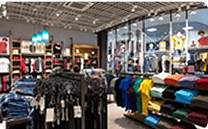
- Luxury Cosmetics & Beauty: Account for 18% of shoplifting incidents.
- Urban & Suburban Retail: Urban stores see high incident rates because of dense foot traffic, while suburban mall theft has risen significantly since 2022.
6 Common Visual Signs of a Shoplifter
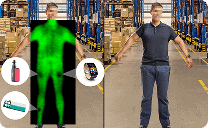
Over half of shoplifters use bags or clothing to conceal stolen merchandise. Look for these visual indicators:
- Unseasonal Attire: Wearing heavy jackets or bulky clothing during warm weather.
- Concealment Gear: Carrying multiple half-empty shopping bags, large backpacks, or oversized purses.
- Staff Monitoring: Watching store employees and sales associates rather than browsing items.
- Camera Scouting: Frequently looking up at security camera installations and ceiling corners.
- Erratic Movement: Rapidly moving between high-value displays without examining items.
- Apparent Nervousness: Displaying visible anxiety, pacing, or excessively handling phones/wallets.
Behavioral Patterns to Watch For
More than 70% of shoplifting incidents are impulsive and unplanned. Repeat offenders and coordinated groups regularly depend on these specific tactics:
- Peak Hour Targeting: Striking during busy store hours or staff shift changes when employees are preoccupied.
- Distraction Requests: Repeatedly asking staff to check backroom inventory to leave sales floors unattended.
- Store Reconnaissance: Visiting multiple times during low-staffing windows (e.g., meal breaks) to map out high-value merchandise.
- Entrance Loitering: Hanging around store exits and leaving abruptly without making purchases.
- Group Teamwork: Working in pairs or groups where one individual creates a scene or distraction while another steals merchandise.
Effective Detection Tactics for Retail Staff
Frontline employees serve as the primary defense against shoplifting.
Daily Store Audits
Perform a daily pre-opening walk-through. Verify sightlines, check security camera coverage, and note where high-value merchandise is placed.
RFID Asset Tracking
Deploy RFID tags on apparel and high-risk goods. RFID technology allows real-time item tracking and alerts staff discreetly when tagged items approach exits.
Non-Confrontational Customer Service
Train staff to use proactive customer service as a deterrent. Approaching a suspected shoplifter with a friendly “Can I help you find something?” or handing them a shopping basket deters theft without escalating conflict or risking liability.
Legal Considerations and Staff Safety
Establishing strict store procedures protects both employees and business liability:
- Understand Local Detainment Laws: Consult local law enforcement or legal counsel to implement clear, lawful procedures for detaining shoplifters.
- Contact Law Enforcement: Define precise protocols for when to involve local police and how to preserve video surveillance evidence.
- Protect Rights & Safety: Never engage in physically aggressive or violent confrontations. Respect privacy laws and prioritize employee safety over property recovery.
Modern Security Technologies for Loss Prevention
- Eye-Level Video Cameras: Mount cameras at eye level or slightly higher at entrances, exits, and checkout counters to capture clear facial features.
- Deterrent Signage: Post visible notice of active video surveillance and theft prosecution policies.
- AI-Powered Theft Detection: Implement smart video analytics that detect suspicious gestures, aisle loitering, and sweep-concealment in real time.
Frequently Asked Questions
How does ACTIONiQ protect retail loss prevention and theft detection?
ACTIONiQ transforms standard loss prevention by combining real-time video analytics, actionable data intelligence, and smart security integrations. By monitoring shopper behavior, identifying store vulnerabilities, and sending automated alerts to store managers, ACTIONiQ helps retailers prevent inventory shrink before it hits profit margins.
What should I do if I suspect someone is shoplifting?
Maintain a calm demeanor. Do not accuse them or physically block them. Approach the shopper to provide assistance, rearrange nearby merchandise to keep a clear line of sight, and notify store management or security per your company’s protocol.
Can store employees legally detain a suspected shoplifter?
Detainment rights change by jurisdiction and local statutes under “Shopkeeper’s Privilege.” Stores must consult legal counsel and local law enforcement to create compliant policies before staff attempts any physical or verbal detainment.
What security technologies are most effective at preventing shoplifting?
AI-driven camera systems, high-definition IP cameras positioned at eye level, electronic article surveillance (EAS) gates, and RFID inventory tags provide the strongest deterrence and detection features.
How can small businesses afford high-quality shoplifting prevention?
Small businesses can start with cost-effective measures: realigning floor layouts for clear sightlines, enforcing locked display cases for luxury items, installing anti-theft sweep hooks, and carrying out regular staff training regarding proactive customer service.